
Reliable Bulk Battery Suppliers for Small Commercial Buyers: MOQ, Samples & Terms (2026)
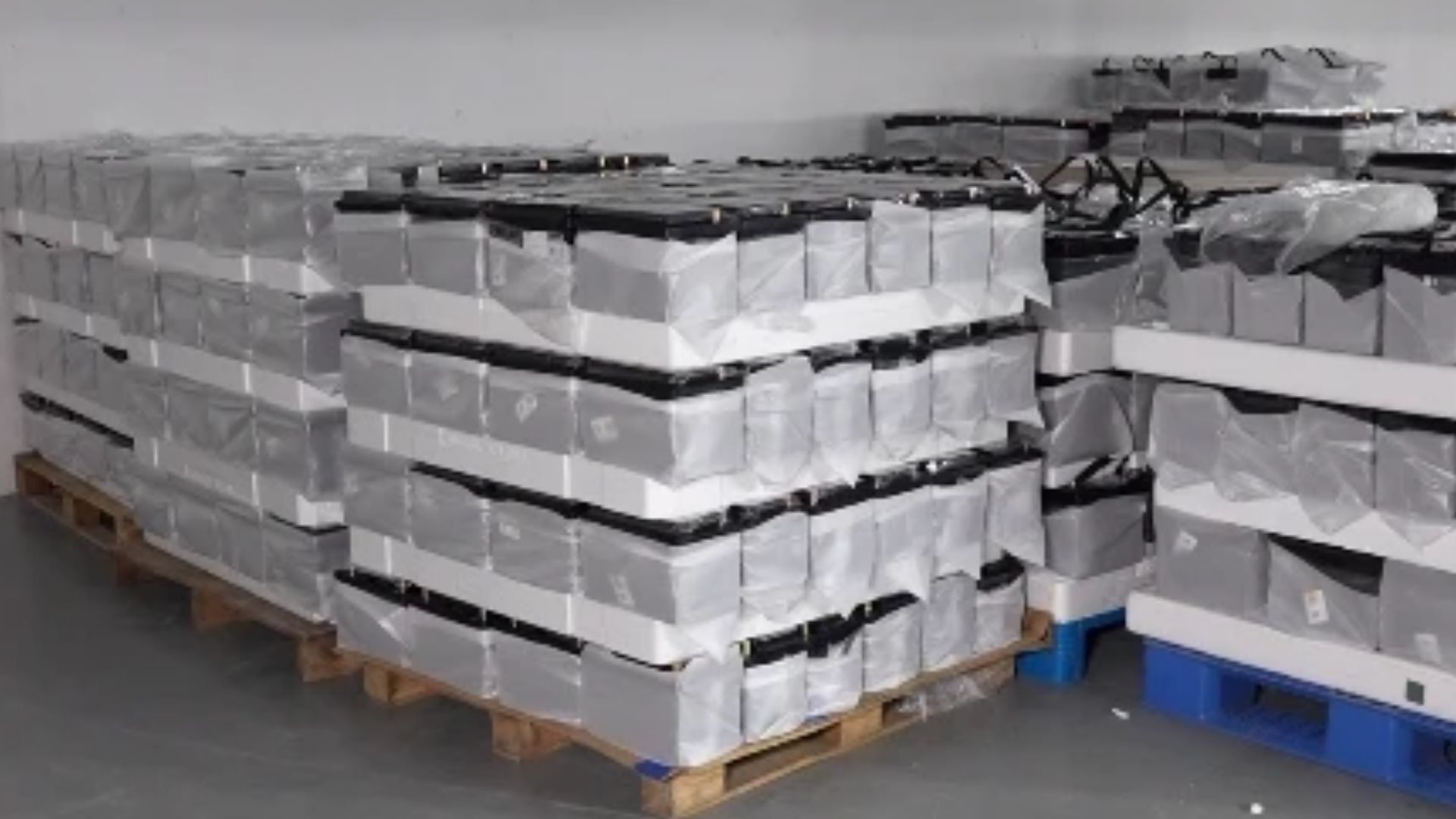
Table of Contents
- Introduction: Who This Small-Bulk Guide Is For
- What Counts as a "Small Commercial" Battery Order?
- Why Large Factories Often Decline Small Orders
- Which Supplier Types Accept Small-Bulk Orders
- MOQ by Supplier Tier: Cells, Assemblers, Wholesalers
- Samples First: Cost, Testing and Refundable Fees
- Sample to Trial Order to Repeat: The Low-Risk Path
- Mixed Orders and Multi-Specification Shipments
- Small-Order Pricing and Hidden Costs
- Payment Terms for Small Orders
- Lead Times, Stock and Replenishment Planning
- QC Must Not Shrink With the Order
- When to Move to a Factory-Direct Account
- B2B Small-Bulk Sourcing Checklist
- Frequently Asked Questions
- Related Resources
- Summary
Reliable Bulk Battery Suppliers for Small Commercial Buyers: MOQ, Samples & Terms (2026)
Last updated: September 2026 | Written by the Enerbe Engineering Team
Introduction: Who This Small-Bulk Guide Is For
Quick Answer: If you buy LiFePO4 batteries in tens rather than thousands, you are a small-bulk buyer. The reliable path is: order samples first, run a small trial order, then repeat with the supplier that passes. Match the supplier tier to your volume—a wholesaler or mid-size assembler for small orders, a cell factory only once you can meet its MOQ. Always order standard, certified models, use a mixed/consolidated LCL shipment to lower freight, pay 30% deposit / 70% before shipment via trade assurance, and never let a small order skip cell, BMS and inspection checks. This guide gives the typical MOQs, sample and payment terms, hidden costs and a checklist.
Most battery sourcing advice is written for large projects: container-level orders, MW-scale storage, long OEM contracts. But a large share of real battery buyers are small commercial operations—installers fitting a few systems a month, regional dealers and distributors building a product line, RV and marine retrofit shops, equipment rental firms, and small EPCs. Your orders are real and recurring, but they sit below the minimum order quantity (MOQ) of many large factories.
This guide is built specifically for that position. It explains why large factories decline small orders, which bulk battery suppliers for small commercial operations actually accept them, how MOQs, samples, trial orders and mixed shipments work, and what small orders really cost once freight, documentation and payment fees are included. It also shows how to protect quality on a small purchase and when your volume justifies moving to a factory-direct account.
If you instead need the general process for evaluating any manufacturer—company types, bill of materials, factory audits and OEM terms—see our How to Choose a LiFePO4 Battery Supplier guide. For the full sourcing picture across all applications, see the Complete B2B Sourcing Guide.
What Counts as a "Small Commercial" Battery Order?
"Small" is relative. A cell maker considers a single pallet small; a wholesaler may ship a single unit. For the purposes of this guide, a small commercial order has these characteristics:
| Dimension | Typical Small-Bulk Range | Examples |
|---|---|---|
| Quantity | A few units to a few hundred packs | 10–100 drop-in batteries; 1–20 rack systems |
| Order value | Hundreds to low tens of thousands of USD | Below a full-container / factory-direct threshold |
| Shipping | Parcel, pallet or LCL (less than container) | Mixed cartons consolidated with a freight forwarder |
| Frequency | Recurring small replenishments | Monthly or quarterly restock to match sales |
Typical buyers in this band include solar installers and small integrators, regional dealers and resellers launching a battery line, RV/marine/golf-cart retrofit shops, off-grid equipment suppliers, forklift and rental fleets that run a modest number of units, and businesses replacing lead-acid across a small site. If you are procuring a single multi-MW storage facility, you are outside this guide—start with choosing a reliable BESS supplier instead.
Why Large Factories Often Decline Small Orders
A "no" from a large manufacturer is rarely personal—it is an economic and scheduling decision. Understanding the reasons helps you approach the right supplier instead of wasting weeks negotiating with the wrong one.
-
Production is batched. Cell and pack lines run in lots; switching a line to a different model, label or configuration carries setup time. A small order does not absorb that changeover cost.
-
Raw materials are bought in volume. Cells, BMS boards, enclosures and packaging are procured against forecast; a small custom order may force a one-off purchase at poor prices.
-
QC and documentation have fixed costs. Testing, certificates of conformity, datasheets and export paperwork cost roughly the same to prepare whether the order is 20 or 2,000 units.
-
Capacity is allocated to larger customers. In a tight market, line time goes to accounts that fill it. Small orders get deprioritised or declined.
Important: Do not respond to a high MOQ by pressuring a factory for a heavily customised tiny order. You may get accepted, then receive a deprioritised, slow or corner-cutting job. The better move is to buy a standard, in-stock model from a supplier tier set up for your volume (see below).
Which Supplier Types Accept Small-Bulk Orders
The battery market contains several distinct company types, and they differ sharply in the orders they serve. A full breakdown is in the supplier guide; the short version for small buyers is:
| Supplier Type | Small-Order Friendliness | Best Used For |
|---|---|---|
| Cell manufacturer | Low — pallet/container MOQ | DIY/integrators buying bare prismatic cells in volume |
| Battery/pack assembler | Medium — modest standard-order MOQ | Finished batteries; light OEM once volume grows |
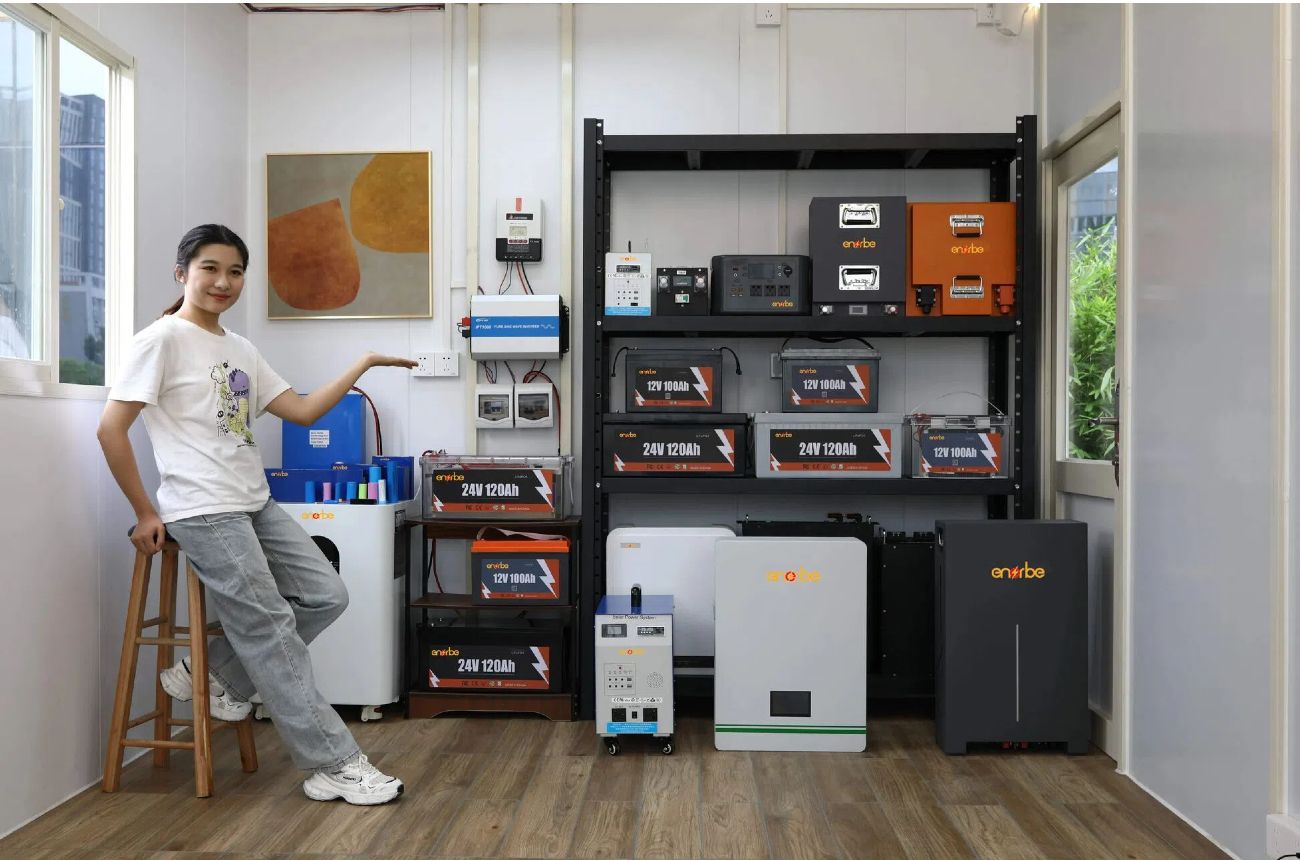
| Brand with distributor program | Medium — starter stocking order | Resellers wanting marketing support and a named line |
| Wholesaler / trading company | High — units to pallets, in stock, mixed | First orders, mixed specifications, fast replenishment |
For your first purchases, a reliable wholesaler or a mid-size pack assembler with standard stock is usually the correct match. You pay somewhat more per unit than a container buyer, but you get low MOQ, mixed specifications, fast shipment and the ability to prove the product before committing. Our battery wholesale sourcing guide covers how wholesalers operate, and the China LiFePO4 manufacturer sourcing guide explains the factory landscape if you decide to approach producers directly.
MOQ by Supplier Tier: Cells, Assemblers, Wholesalers
MOQ is usually expressed in units, but it is really driven by packaging (a carton or pallet), production lots, or—for custom work—a minimum order value. The figures below are typical, illustrative bands rather than universal rules; always confirm the current MOQ in writing.
| Tier | Typical MOQ (standard items) | Custom / OEM MOQ |
|---|---|---|
| Prismatic cell maker | Full pallet of one model; often a container for best price | Very high; cell makers rarely customise for small buyers |
| Pack assembler | Tens of finished packs per model | Higher; private-label/enclosure changes add a label/tooling MOQ |
| Brand distributor | Starter stocking order (a set of SKUs) | Regional/annual purchase commitment instead of per-order MOQ |
| Wholesaler | Single carton or unit; stock on hand | Not applicable; wholesalers sell existing stock |
You can often lower an MOQ by choosing a standard model rather than a custom one, consolidating several models into one shipment value, accepting the supplier's existing label, or combining your order with other buyers through a forwarder's consolidation service.
Samples First: Cost, Testing and Refundable Fees
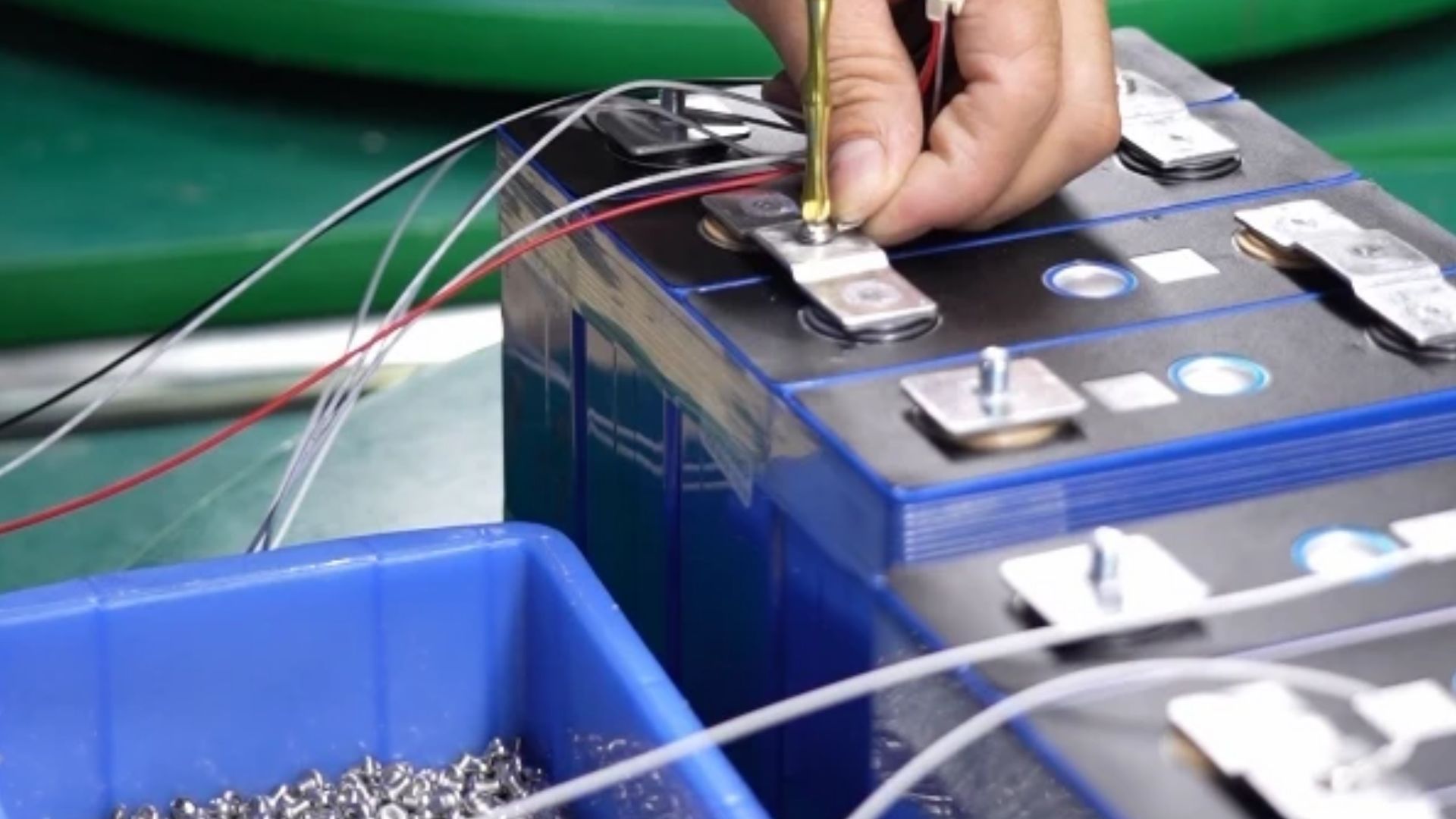
Never place even a modest bulk order before evaluating a sample. Samples are normally priced at or near retail (higher than the eventual bulk unit price), because the administrative cost of one unit is high. Many suppliers will refund part or all of the sample fee against a later bulk order—this is negotiable and should be written onto the proforma invoice rather than assumed.
When the sample arrives, verify the things that determine whether the product is worth reordering:
-
Capacity: Full charge followed by a timed discharge to confirm the stated Ah. This is the single most important check; see the charging guidance for the correct voltage and current.
-
Cell and pack voltage: Confirm the charge/full and rest voltages match LiFePO4 values for the configuration.
-
Internal resistance and voltage under load: High resistance means weak cells or poor build.
-
BMS protection and balancing: Confirm over/under-voltage, over-current and temperature protection operate; check cell balance. See how LiFePO4 balancing works.
-
Self-discharge: Note the resting voltage over a week or two; a fast drop indicates a problem cell or BMS drain.
-
Build, dimensions, weight, terminals and communication: Confirm physical fitment and that Bluetooth/CAN/RS485 works if specified.
For a deeper explanation of the cycle and capacity figures you are verifying, use the engineering reference on LiFePO4 cycle life, DoD and SOH.
Sample to Trial Order to Repeat: The Low-Risk Path
A proven sequence reduces risk without requiring a large upfront commitment:
| Stage | Purpose | Typical Size (illustrative) |
|---|---|---|
| 1. Sample | Prove the product and your test process | 1–2 units per model |
| 2. Trial order | Check consistency, packaging, documents, lead time | Tens of units / one mixed shipment |
| 3. Repeat / replenish | Build volume and a track record; negotiate terms | Recurring orders sized to your sales |
The trial order is where you check unit-to-unit consistency and whether the supplier delivers the same quality repeatedly—not just once. Spot-check several units rather than the single sample, and confirm the warranty terms and certificates arrive with the goods. Only after a clean trial order should you increase volume and begin asking for better pricing or payment terms.
Mixed Orders and Multi-Specification Shipments

Small buyers rarely need 50 identical units; more often you need a spread of stock to serve different customers. A mixed order combines several standard models—12V, 24V and 48V packs, different capacities, and compatible accessories—in one shipment. Wholesalers and assemblers with broad standard stock support this most readily.
Mixed ordering lets you offer a full range without overstocking any single SKU, and it lets you test which models sell before reordering deeper. Keep customisation out of these orders: every model should be a standard, certified item so there is no per-model MOQ or tooling. The application guides show the specifications you are likely to stock, including 48V solar storage, marine, golf carts and rack-mounted project batteries.
Small-Order Pricing and Hidden Costs
The unit price on a small order is only part of the landed cost. Small-bulk buyers should expect a higher unit price—commonly a noticeable premium over container pricing, varying by supplier and model—and several additional costs that are proportionally heavier on small shipments.
| Cost Element | Why It Hits Small Orders Harder |
|---|---|
| Unit-price premium | Volume discounts are tiered; small lots sit on the higher rungs |
| Freight (LCL vs FCL) | Per-unit freight is far higher for a shared/consolidated container or pallet |
| Documentation / certification copies | Fixed paperwork and test-report fees spread over fewer units |
| Payment and platform fees | PayPal/card and trade-assurance charges are percentage-based |
| Custom label/packaging minimums | Private-label MOQs or setup fees are uneconomic on tiny runs |
The most effective way to cut landed cost at this stage is not to chase the lowest factory price but to consolidate freight (mix models into one LCL shipment), buy standard stock (no custom fees), and place fewer, slightly larger replenishment orders rather than many tiny parcels. For transport rules and documentation, see LiFePO4 battery shipping and certifications.
Payment Terms for Small Orders
Payment practice is closely tied to order size and relationship length. Set realistic expectations for a first purchase:
-
T/T deposit: A 30% deposit with 70% paid before shipment is the standard arrangement for production orders.
-
Trade assurance / escrow platforms: For small first orders, a B2B platform's trade-assurance or an escrow service gives both sides protection and is often preferred over open credit.
-
PayPal / card: Convenient for samples and very small orders, but fees are higher and are usually passed through.
-
Letter of credit (L/C): Banks charge fixed fees and L/Cs are generally economic only above a certain order value—rarely sensible for small purchases.
-
Open account / net terms: Credit terms (e.g., net 30/60) are extended to established customers with a clean order history, not to first-time buyers. Build the record first, then request terms.
Key Point: Never pay a first order in full upfront to an unverified account, and never send funds to a personal bank account that differs from the company on the proforma invoice. Use a traceable, documented method and verify the beneficiary name matches the supplier's registered company. These protections matter most on exactly the small, first-time orders where you have no history together.
Lead Times, Stock and Replenishment Planning
| Order Type | Typical Lead Time | Notes |
|---|---|---|
| In-stock standard units | Days to about a week plus transit | Fastest; best for urgent sales |
| Standard model, produced to order | A few weeks | Common for repeat replenishment |
| OEM / custom configuration | Several weeks, after a sample is approved | Includes label/enclosure/firmware work |
Small operations should hold a modest safety stock of the fastest-selling standard SKUs and time replenishment to the supplier's lead time plus ocean transit and customs. Seasonal demand—spring solar and marine fit-outs, autumn storage projects—should be ordered ahead, because small accounts are the first to be pushed back when lines are full. Proper storage while holding stock matters too; see LiFePO4 storage and maintenance.
QC Must Not Shrink With the Order
A small order that fails in service costs you a customer regardless of its size. Reliable bulk battery suppliers for small commercial buyers apply the same quality controls regardless of order volume. Require, and verify:
-
Certified, current models — the safety and transport certifications relevant to your market. Use the BESS certification guide and the GB 38031 safety standard guide to identify them.
-
Quality prismatic cells — matched, Grade A rectangular cells from a stated manufacturer, not mixed or unbranded cells.
-
A capable BMS — with balancing and the protection set and communication you specified; see the charging guide for correct settings.
-
Inspection before shipment — a pre-shipment inspection against an AQL sample, or at minimum dated photos/video of the goods, labels, serial numbers and packaging.
-
Capacity spot-checks — even on a small run, test a percentage of units rather than trusting the label.
Safety and warranty documentation should accompany every order, not only large ones. For the underlying safety case, see whether LiFePO4 batteries are safe and the LiFePO4 safety guide.
When to Move to a Factory-Direct Account
Buying through a wholesaler is a deliberate trade: slightly higher unit cost in exchange for low MOQ, mixed stock and low risk. At some point your volume may make factory direct the better arrangement. Signals include:
-
Your recurring order quantity reliably reaches the assembler's or factory's MOQ for the models you sell.
-
You need OEM/private-label work—your own enclosure, label, firmware or configuration—to build the brand.
-
You want a named regional or exclusive distribution agreement and can commit to an annual volume.
-
Your annual spend justifies direct account management, and the margin lost to the intermediary becomes material.
-
You can forecast accurately enough to support container-level purchasing and the inventory it implies.
When several of these hold, run the formal evaluation and audit described in how to choose a LiFePO4 battery supplier. Until then, the wholesaler/assembler route is not a compromise—it is the correct tool for the stage.
B2B Small-Bulk Sourcing Checklist
-
Match the supplier tier to your volume; do not force a small custom order onto a large factory
-
Order samples and confirm in writing whether the sample fee is refundable against bulk
-
Test capacity, internal resistance, self-discharge, BMS protection, balancing and communication
-
Run a mixed trial order of standard models; spot-check several units for consistency
-
Calculate landed cost: unit premium, LCL freight, documentation, payment and any label fees
-
Use traceable payment (30/70 T/T or trade assurance); verify the beneficiary company name
-
Plan replenishment around lead time, ocean transit and seasonal demand; hold safety stock
-
Require current certifications, named Grade A prismatic cells, a capable BMS and pre-shipment inspection
-
Confirm warranty terms and that documents travel with the goods
-
Reassess for factory direct once recurring volume reaches the MOQ
Frequently Asked Questions
What is the minimum order quantity for LiFePO4 batteries?
It depends on the supplier tier. Wholesalers may sell a single unit or carton from stock, pack assemblers commonly ask for tens of finished units per standard model, and prismatic cell makers generally require a full pallet of one model and offer their best price at a full container. Custom or OEM orders carry higher MOQs because of labelling, enclosure or tooling setup. You can lower an effective MOQ by choosing standard models, mixing several SKUs into one shipment, and using the supplier's existing label.
Can I order samples before a bulk purchase?
Yes, and you should. Samples are normally charged at or near the retail price—higher than the eventual bulk unit price—because handling one unit carries fixed administrative cost. Use the sample to verify capacity through a full charge/discharge, internal resistance, self-discharge, BMS protection and balancing, physical build, terminals and any Bluetooth/CAN/RS485 communication. Do not place a bulk order until the sample passes these checks.
Will a supplier refund the sample fee?
Many suppliers refund part or all of the sample fee against a later bulk order, but this is negotiable rather than automatic. Ask before paying and have the refund condition written onto the proforma invoice or order confirmation—for example, "sample fee deductible from the first bulk order above X units." If it is only a verbal promise, treat the sample as a non-refundable evaluation cost.
Can I mix different voltages and capacities in one order?
Yes, with suppliers that hold broad standard stock—wholesalers and mid-size assemblers are best for this. A mixed order combines 12V, 24V and 48V models, several capacities and compatible accessories in one shipment, letting you offer a full range without overstocking a single SKU. Keep every model standard and certified; custom items introduce per-model MOQs and delay the shipment.
Why is small-bulk pricing higher, and what hidden costs should I expect?
Small orders sit on the higher tiers of the volume-discount schedule, and several costs are proportionally heavier: LCL freight costs more per unit than a full container, documentation and test-report copies have fixed fees, PayPal/card and platform charges are percentage-based, and private-label setup is uneconomic on tiny runs. The best way to reduce landed cost at this stage is to consolidate models into one shipment, buy standard stock and place fewer, slightly larger replenishment orders.
What payment methods are used for small battery orders?
Production orders commonly use a 30% T/T deposit with 70% paid before shipment. Small first orders are often placed through a B2B trade-assurance/escrow platform for mutual protection, while samples and very small orders may use PayPal or card (with higher fees). Letters of credit carry fixed bank charges and are generally uneconomic below a certain value. Use a traceable method and confirm the beneficiary name matches the registered company.
Can I get credit or net payment terms on my first order?
Usually not. Open-account terms such as net 30 or net 60 are extended to customers with a history of paid orders and an established relationship. First-time buyers should expect payment in advance of shipment through deposit/balance or trade assurance. After several clean orders you can request improved terms; the trial-and-repeat sequence is how you build the record that justifies them.
How long do small orders take to produce and ship?
In-stock standard units can ship within days, standard models produced to order typically take a few weeks, and OEM/custom configurations take several weeks after a sample is approved. Add ocean transit, customs and inland delivery, and order ahead of seasonal peaks. Small accounts are scheduled behind larger customers in tight periods, so confirmed lead times and a safety stock of best-selling SKUs reduce stock-outs.
Is LCL shipping worth it for small orders?
Yes, when you cannot fill a container. LCL (less-than-container load) and forwarder consolidation let several models or buyers share a container, lowering your freight versus repeated parcels even though the per-unit cost is higher than a full container. It pairs naturally with mixed orders. Provide accurate carton weights/dimensions, use compliant battery packaging and documentation, and work with a forwarder experienced in lithium shipments.
How do I verify quality on a small order without visiting the factory?
Start with a tested sample, then require a pre-shipment inspection against an AQL sample (a third-party inspector can do this for a modest fee), or at minimum dated photos and video of the finished goods, labels, serial numbers and packaging. Spot-check capacity on a percentage of units, confirm the cell manufacturer and BMS, and verify the certifications are current. Traceable payment through trade assurance adds further protection.
Do small orders still come with certifications and warranty?
Yes. Order size does not determine whether a product is certified or warranted—the model does. Standard, current models carry the same safety and transport certifications and the same warranty whether you buy five or five hundred. Request the certificates and written warranty terms before ordering and confirm they are included with the shipment; be wary of any supplier that offers documentation only on large orders.
At what volume should I switch to buying factory direct?
Move to factory direct when your recurring orders reliably reach the factory MOQ, you need OEM or private-label work, you can commit to an annual volume for regional distribution, and your annual spend makes the intermediary margin material. Until those conditions hold, the higher unit price through a wholesaler or assembler is justified by low MOQ, mixed stock, fast replenishment and much lower risk—so it is the correct arrangement for the stage.
Related Resources
-
How to Choose a LiFePO4 Battery Supplier — company types, BOM, factory audit and OEM terms
-
Battery Wholesale Sourcing Guide — how wholesalers and reseller margins work
-
China LiFePO4 Manufacturer Sourcing Guide — approaching producers directly
-
Complete B2B Sourcing Guide — sourcing across every application
-
LiFePO4 Cycle Life, DoD & SOH — the cycle and capacity data to verify on samples
-
BESS Certification Guide — which certifications your market requires
-
Shipping & Certifications — compliant packaging and LCL documentation
-
How to Balance LiFePO4 Batteries — BMS balancing and cell checks
Summary
Small commercial buyers do not need the lowest factory price on a first order—they need the right supplier tier and a proven, low-risk sequence.
-
Match the tier to the volume: wholesalers and stock-holding assemblers accept small, mixed orders; cell factories require pallets/containers
-
Prove before you commit: test samples, run a mixed trial order, then replenish with the supplier that passes
-
Count landed cost: expect a unit premium plus LCL freight, documentation and payment fees; consolidate to reduce them
-
Use realistic terms: 30/70 T/T or trade assurance on early orders; net credit terms come after a track record
-
Keep QC intact: certified models, named Grade A prismatic cells, a capable BMS and pre-shipment inspection on every order
-
Upgrade on schedule: move factory direct once recurring volume reaches the MOQ and OEM needs appear
Enerbe supplies standard, certified LiFePO4 batteries in small-bulk quantities with low MOQ, mixed-model shipments, sample-to-trial support and the same cell, BMS and inspection controls on every order size. For current stock, specifications or a small-bulk quotation, contact our team or browse the product range.
Get In Touch
Ready to source LiFePO4 batteries for your project? Contact Enerbe today.
📄 Request a Technical Datasheet
Contact Us →📞 Speak with Our Engineering Team
Get In Touch →🔗 Browse Our Custom Battery Solutions
View Products →Dongguan A&S Power Technology Co., Limited.
Building 1, No. 2, Keji 9th Road,
Songshan Lake, Dongguan, Guangdong, China
📞 +86 137 1383 1631
✉ info@aspowerbattery.com
Stay Charged. Stay Connected.



Battery System Guidance: What Battery Makers, Integrators and Partners Actually Do (2026)
How to Choose a LiFePO4 Battery Supplier: Company Types, Sourcing Path & B2B Checklist (2026)
Related Article


Get In Touch
Have questions about custom lithium batteries, energy storage solutions, or lead-to-lithium conversion? Our team is ready to help. Send us a message and we’ll respond within 24 hours.

Building 1, No. 2, Keji 9th Road, Songshan Lake, Dongguan, Guangdong, China
Office Address

info@aspowerbattery.com
Email Us

+86 137 1383 1631
Call Us

Sun - Fri (08AM - 10PM)
Office Open
