
How to Choose a LiFePO4 Battery Supplier: Company Types, Sourcing Path & B2B Checklist (2026)
Table of Contents
- Introduction: Which Kind of “Supplier” Do You Actually Need?
- Why the Type of Supplier Is the Real Decision
- The Five Types of LiFePO4 Battery Companies
- Who Actually Makes Your Battery: Cells, Packs, Brands
- Match Your Business to the Right Sourcing Path
- What Every Quote and BOM Should Tell You
- Five Questions That Separate Factories from Traders
- Certifications and Compliance at a Glance
- Red Flags That Apply to Every Supplier Type
- Sourcing by Scenario: Where to Go Next
- B2B Supplier Selection Checklist
- Related Resources
- Frequently Asked Questions
- Summary
How to Choose a LiFePO4 Battery Supplier: Company Types, Sourcing Path & B2B Checklist (2026)
Last updated: September 2026 | Written by the Enerbe Engineering Team
Introduction: Which Kind of “Supplier” Do You Actually Need?
Quick Answer: “LiFePO4 battery supplier” covers five very different businesses: (1) cell manufacturers that make prismatic cells, (2) pack/OEM factories that build finished batteries from branded cells, (3) brand manufacturers, (4) BESS system integrators that deliver container/rack energy storage, and (5) traders/wholesalers/distributors that resell. They are not interchangeable. A private-label brand or equipment maker usually needs a pack/OEM factory; a utility-scale project needs a system integrator; a reseller needs a brand or wholesaler. Pick the type of company first, then audit that specific company on cell grade, BMS quality, model-specific certifications, traceability and warranty. This page is the decision hub; each specialist path links to its own in-depth guide.
Searching for a LiFePO4 battery supplier returns thousands of companies that all claim to be manufacturers. Some melt and coat their own electrode material; others buy finished batteries and resell them with a logo. They use the same words—“factory”, “OEM”, “manufacturer”—but the price, quality control, customization and risk are completely different. Choosing the wrong type of supplier is a more expensive mistake than choosing the wrong model from the right type.
This guide is built as a sourcing decision hub for OEMs, private-label brands, distributors, equipment manufacturers, small integrators and project buyers. It explains the five company types, maps each kind of buyer to the correct sourcing path, shows what a transparent quotation must contain, gives five questions that expose a trader posing as a factory, lists certifications and universal red flags, and then points you to the specialist guide for your exact scenario—China factory sourcing, wholesale distribution, small-batch buying or large BESS procurement.

If you are new to the chemistry itself, start with the What Is a LiFePO4 Battery complete guide. For a single end-to-end reference across every application, see the complete B2B sourcing guide.
Why the Type of Supplier Is the Real Decision
Most buyers start by comparing unit price and a spec sheet. Both can be copied in ten minutes. The variable that actually predicts a smooth program is where the company sits in the value chain, because that determines what it can control and what it can be held responsible for.
| If you need… | A trader often cannot provide it because… | Only the producer controls… |
|---|---|---|
| Custom BMS firmware / protocol | It does not design or flash the BMS | BMS selection, parameters, CAN/RS485 profile |
| Known, consistent cell grade | It sources batches opportunistically | Cell supplier, incoming inspection, binning |
| Model-specific certificates | Certificates belong to the real factory | Testing, certification ownership, re-testing |
| Custom enclosure / terminals | It holds no tooling or production line | Tooling, structural design, assembly |
| Consistent batch quality | Each shipment may come from a different factory | Process control, aging test, traceability |
| Warranty / RMA resolution | It must route claims back to an unnamed factory | Failure analysis, spares, replacement policy |
This does not make traders bad—they are the right choice for low-MOQ spot stock, mixed orders and local support. It means you must match the company type to the job instead of assuming every “supplier” can do everything.
The Five Types of LiFePO4 Battery Companies
These categories overlap in the real world—a pack factory may also run its own brand, and a large integrator may own a pack line—but the framework below describes the primary role each company plays.
| Type | What it actually makes / does | Best for | Typical MOQ / note |
|---|---|---|---|
| 1. Cell manufacturer | Produces prismatic/pouch LiFePO4 cells (electrode, winding/stacking, formation) | Large pack makers, EV makers, GWh-scale integrators | Very high MOQ; rarely sells finished packs in small lots |
| 2. Pack / OEM factory | Buys Grade-A cells, builds packs: laser welding, BMS, enclosure, aging test | Private-label brands, equipment OEMs, dealers, small integrators | Flexible; samples to hundreds/thousands; OEM/ODM |
| 3. Brand manufacturer | Sells finished batteries under its own brand, often with R&D and its own/partner lines | Buyers wanting a warranted branded product, dealers/distributors | Low–mid MOQ; standard catalog, limited private label |
| 4. BESS system integrator | Integrates racks/containers with PCS, EMS, HVAC, fire suppression, AC/DC works | Utilities, EPCs, C&I and grid-scale storage projects | Project-based; delivers systems, not single batteries |
| 5. Trader / wholesaler / distributor | Does not manufacture; resells multiple brands, sometimes holds local stock | Low-MOQ spot buys, mixed orders, fast delivery, local credit | Lowest MOQ; marked-up price, limited customization/traceability |
Key Point: Tier-1 cell makers such as EVE, CATL, REPT or Hithium are famous for a reason—but most B2B buyers do not buy cells directly from them. You buy finished batteries from a pack/OEM factory that uses those cells, and you audit that factory just as hard. “We use CATL/EVE cells” is a marketing line unless the factory proves the exact cell model, grade and batch traceability.
Who Actually Makes Your Battery: Cells, Packs, Brands

A finished LiFePO4 battery is built in stages, and different “manufacturers” own different stages. Knowing the chain lets you ask who is responsible for each failure mode.
-
Cell production: the lithium iron phosphate cathode, graphite anode, separator and electrolyte are assembled into a 3.2V prismatic (or pouch/cylindrical) cell. This is the most capital-intensive step and the fewest companies do it.
-
Cell grading & matching: cells are capacity- and internal-resistance tested and binned. Good pack factories buy Grade-A, matched, fresh cells and keep the traceability codes; weak supply chains mix grades or use recycled/second-hand cells.
-
Pack assembly: cells are welded into series/parallel blocks, connected to a BMS with balance leads, fitted with busbars, insulation, enclosure, terminals and (optionally) heating and communication.
-
Aging & end-of-line test: the finished pack is charged/discharged and aged, checked for capacity, internal resistance, insulation/withstand voltage and BMS function before shipment.
-
Branding & distribution: the same pack can ship under the factory’s brand, your private label, or through a wholesaler.
OEM, ODM, private label and white label defined
| Term | Who designs it | Whose brand | Typical use |
|---|---|---|---|
| OEM | You specify the design/spec; factory builds it | Yours | Equipment makers with defined requirements |
| ODM | Factory’s existing design/mould, lightly modified | Yours | Brands wanting fast time-to-market |
| Private label | Factory standard product | Yours (logo/labelling/packaging) | Dealers and brands reselling a proven model |
| White label | One generic mould sold to many buyers | Each buyer’s own | Lowest-cost rebranding; least differentiation |
A genuine pack/OEM factory can discuss BMS parameters, cell model, structural changes and communication protocols in engineering detail. For what those BMS parameters mean, see what a LiFePO4 BMS is and how to select one.
Match Your Business to the Right Sourcing Path
Use your business model, not the lowest quote, to choose the sourcing path.
| Your situation | Best supplier type | Go deeper |
|---|---|---|
| Launching my own battery brand / private label | Pack/OEM factory (ODM then OEM) | China manufacturer sourcing |
| Equipment / machine OEM needing custom packs | Pack/OEM factory with engineering support | Complete B2B sourcing guide |
| Distributor / dealer / reseller | Brand manufacturer or wholesaler; OEM for own label | Battery wholesale sourcing guide |
| Small business / first order / low volume | Small-batch-friendly pack factory or stocking wholesaler | Small-commercial bulk supplier guide |
| Importing direct from China, want factory audit | Verified China pack/OEM factory | China manufacturer sourcing guide |
| Utility / C&I / grid-scale BESS project | BESS system integrator (or vertically integrated maker) | Reliable BESS supplier guide |
| Need turnkey design / sizing guidance | Integrator or engineering-led brand | Battery system guidance partner guide |
What Every Quote and BOM Should Tell You
A professional quotation is a bill of materials, not just a price. Ask for these line items in writing; a factory that cannot specify them is usually reselling someone else’s product.
-
Cell brand, model and grade: exact prismatic cell part number, stated Grade-A, new (not recycled/“inventory”), and the capacity/IR binning range.
-
Cell configuration: series × parallel (e.g. 16S1P for a 48V 100Ah), nominal and usable capacity.
-
BMS: brand or solution, continuous/peak current, balancing type and current, and whether it reports per-cell voltage over CAN/RS485/Bluetooth.
-
Mechanical & connections: enclosure material and IP rating, terminal type/size, busbar rating, cable/connector spec, optional heating.
-
Rated cycle life & retention: cycles at a stated DoD to a stated retention (e.g. 6,000 cycles to 80%)—see how to read these figures in the LiFePO4 cycle life, DoD and SOH reference.
-
Certificates: model-specific certificates with the manufacturer as holder, valid and verifiable.
-
End-of-line tests: capacity grading, internal resistance, insulation/withstand, BMS function and aging, and whether a test report ships with each batch.
-
Warranty & terms: years and cycles/throughput, retention threshold, RMA process, spare-parts policy and exclusions.
-
Commercials: unit price at your MOQ, tooling/NRE fees, sample cost, lead time, Incoterms, payment milestones and packaging.
Price sanity check
Grade-A prismatic cells have a hard, well-known commodity floor. If a finished battery is quoted below the cell cost for its capacity, the supplier is almost certainly using Grade-B, recycled, capacity-relabelled or aged cells—or omitting the BMS protection you expect. Always compare quotes on the same cell grade, BMS and warranty, not on amp-hours alone.
Five Questions That Separate Factories from Traders

These five requests are quick to answer for a real production line and difficult for a reseller. The full audit procedure, manufacturing-hub map and import logistics are covered in the China LiFePO4 manufacturer sourcing guide.
-
“Show me a live video walk of the production line now.” Ask to see welding, the BMS area and the aging/test room in real time, with today’s date shown—not a polished promotional clip. A trader only has catalogue images.
-
“What is on the business licence, and what is the factory address and headcount per shift?” Cross-check the registered business scope (manufacturing vs trading only) and satellite/street view of the address.
-
“Provide the cell purchase record / cell-maker authorisation and the traceability codes for my batch.” A factory can trace cells to the cell maker; a trader often cannot, or refuses.
-
“Make one small engineering change”—a different terminal, a CAN protocol, a label position—“and send a verification video.” Customisation and BMS flashing require a line; a trader cannot do it without going back to the real maker.
-
“Can you host a third-party or video factory audit (SGS, TUV, BV) before the deposit?” Manufacturers routinely agree; resellers deflect.
For large energy-storage projects, this lightweight screen is not enough—use the formal BESS supplier selection criteria and the system-integrator procurement process.
Certifications and Compliance at a Glance
Certificates must be model-specific, currently valid, issued to the actual manufacturing entity, and verifiable on the certifier’s;s register. A generic “CE/RoHS” image or a certificate for a different model is worthless. This is an overview; the full requirement set lives in the BESS certification guide and the LiFePO4 shipping certifications guide.
| Certificate / standard | Purpose | When it is required |
|---|---|---|
| UN38.3 | Transport safety (abuse/altitude/thermal/vibration) | Mandatory for any air/sea/road shipment |
| IEC 62619 / UL 1973 | Battery/BMS safety for industrial & stationary use | Commercial, ESS and industrial markets |
| UL 9540 / 9540A, NFPA 855 | System safety & thermal-runaway / installation | Installed ESS, especially North America |
| CE / EMC, RoHS, CB | EU market access, EMC and substances | European sales |
| KC, PSE, BIS, FCC | Regional market certification | Korea / Japan / India / US electronics as applicable |
| ISO 9001 | Quality management system | Baseline indicator of managed production |
| GB/T 36276, GB 38031 series | Chinese stationary/EV battery standards | China-market and some export projects |
China-market safety detail is in the GB 38031 battery safety standard guide, and the chemistry-level safety case in are LiFePO4 batteries safe?.
Red Flags That Apply to Every Supplier Type
| Red flag | Why it matters |
|---|---|
| Won’t disclose cell brand/model/grade or batch codes | Strong indicator of Grade-B, recycled, relabelled or mixed cells |
| Certificates generic, expired, borrowed or for another model | Your shipment may fail customs or market compliance |
| BMS is a basic board: no per-cell data, no comms, no balancing spec | No diagnostics, early failures, unverifiable safety |
| Same product photos across many unrelated brands/stores | White-label reseller with no production control |
| Quote far below market for the stated capacity | Capacity or cell grade is almost certainly misrepresented |
| Refuses video/third-party factory audit | Likely no factory to show |
| Warranty states only years, no cycles/retention/RMA terms | Hard to claim; vague warranties are rarely honoured |
| 100% before production, no trade assurance/milestones | High payment-risk with no leverage on quality |
| No end-of-line test reports or sample verification | No evidence the rated capacity is real |
Sourcing by Scenario: Where to Go Next
This hub deliberately links each scenario to the specialist guide rather than repeating it.
-
Buying direct from China, factory hubs, import and audit procedure: China LiFePO4 battery manufacturer sourcing guide.
-
Wholesale pricing tiers, MOQ, dealer/distributor programs: battery wholesale sourcing guide.
-
Small businesses, samples, mixed and first orders: reliable bulk suppliers for small commercial operations.
-
Utility/C&I BESS supplier audit and procurement: choosing a reliable BESS supplier, BESS procurement for system integrators, BESS supplier selection criteria, and the BESS sourcing guide.
-
Application-specific products: 48V rack batteries for projects, marine LiFePO4, 48V golf-cart batteries, and 48V solar storage.
B2B Supplier Selection Checklist
Before placing a deposit, confirm each item and keep the evidence:
-
☐ Supplier type matches your sourcing path (cell maker / OEM pack factory / brand / integrator / trader)
-
☐ Cell brand, exact model, Grade-A/new status and batch traceability provided
-
☐ BMS spec, balancing and per-cell communication (CAN/RS485/Bluetooth) documented
-
☐ Model-specific, valid, verifiable certificates, issued to the manufacturing entity
-
☐ Cycle life stated with DoD and retention threshold, not just a round number
-
☐ Live video or third-party factory audit completed
-
☐ Sample tested and approved before the bulk order
-
☐ End-of-line test reports promised with each shipment
-
☐ Warranty covers years, cycles/throughput, retention and an RMA process
-
☐ Quotation is a full BOM with lead time, Incoterms and milestone payments
-
☐ Capacity, communication and customisation verified for your application
-
☐ Spare-parts and after-sales response terms agreed in writing
Related Resources
-
China LiFePO4 Battery Manufacturer Sourcing Guide — manufacturing hubs, import and the factory-audit procedure in depth
-
Battery Wholesale Sourcing Guide — wholesale pricing, MOQ tiers and distributor programs
-
Reliable Bulk Suppliers for Small Commercial Operations — samples, mixed batches and first orders
-
How to Choose a Reliable BESS Supplier — audit framework for large energy-storage projects
-
BESS Procurement Guide for System Integrators — phased procurement for ESS integrators
-
BESS Certification Guide — UL 1973, IEC 62619, UL 9540A, NFPA 855 and more
-
What Is a LiFePO4 BMS? — functions, parameters and BMS selection
-
LiFePO4 Cycle Life, DoD & SOH Reference — reading cycle ratings and warranty cycles
-
How Long Do LiFePO4 Batteries Last? — lifespan overview and years of service
-
Complete B2B Sourcing Guide — end-to-end sourcing across all applications
Frequently Asked Questions
How do I choose a LiFePO4 battery supplier?
First identify the type of company that fits your business (cell maker, pack/OEM factory, brand, BESS integrator, or trader/wholesaler), then shortlist companies of that type and audit them on five evidence points: the exact cell brand/model/grade with traceability, the BMS specification and per-cell communication, model-specific and verifiable certificates, cycle-life and warranty terms, and a live or third-party factory audit. Always test a sample before a bulk order. The decision table in this guide maps your situation to the correct supplier type and specialist guide.
What is the difference between a LiFePO4 manufacturer, factory, assembler, trader and wholesaler?
A cell manufacturer makes the 3.2V cells themselves; a pack factory (assembler/OEM factory) buys Grade-A cells and builds finished battery packs with BMS, welding, enclosure and testing; a brand sells finished batteries under its own name; a BESS integrator builds complete rack/container energy-storage systems with PCS, EMS and safety systems; and a trader/wholesaler resells finished batteries without manufacturing. A “factory” usually means a pack/OEM factory unless it also produces cells. Many companies combine roles, so ask which production stages they own.
Should I buy directly from a China LiFePO4 battery manufacturer?
If you need OEM/private-label, custom engineering or the best ex-factory price and can manage import, compliance and a larger MOQ, yes—a verified China pack/OEM factory is usually the best partner. If you need local stock, very small quantities, credit terms or a single warranted branded unit, a local distributor or wholesaler is simpler. When buying direct, verify the factory with a live video or third-party audit, model-specific certificates and cell traceability before paying a deposit. The detailed procedure is in our China manufacturer sourcing guide.
What is the difference between OEM, ODM, private label and white label?
OEM means you provide the specification and the factory builds to your design; ODM uses the factory’s existing design or mould with light modifications, branded as yours; private label puts your brand on the factory’s standard product; white label is one generic mould sold under many different brands with minimal differentiation. Equipment makers with defined requirements use OEM; new brands seeking speed use ODM or private label; white label is cheapest but offers no product differentiation.
How can I verify a supplier is a real factory and not a trader?
Request a live (not pre-recorded) video walk of the welding, BMS and aging-test areas; check the business licence scope and factory address/headcount; ask for the cell purchase record or cell-maker authorisation and batch traceability codes; request one small engineering change with a verification video; and offer a third-party (SGS/TUV/BV) or video audit before deposit. A real production line can satisfy all five; a trader typically deflects or can only supply catalogue images.
What questions should I ask a LiFePO4 battery supplier?
Ask for: the exact cell brand, model and grade; the series×parallel configuration and usable capacity; the BMS brand, current ratings, balancing and communication; the model-specific certificates and their holder; cycle life at a stated DoD and retention; end-of-line test reports; lead time, MOQ and sample policy; and warranty years plus cycles/throughput and the RMA process. Written, specific answers separate producers from resellers.
Which LiFePO4 cell brand and grade should I require?
Require named, fresh Grade-A prismatic cells from an established cell maker (for example EVE, CATL, REPT or Hithium, depending on availability), with the exact part number and batch codes, capacity/internal-resistance binning and a no-recycled-cell commitment. Grade-B, “inventory”, unbranded or second-life cells are cheaper but have wider capacity spread, shorter life and higher failure risk, and are unsuitable for warrantied commercial products. “We use a famous cell brand” is not enough—prove it per batch.
What certifications must a LiFePO4 battery supplier provide?
At minimum UN38.3 for transport, plus the safety certification for your market—IEC 62619 and/or UL 1973 for industrial and stationary batteries, CE/EMC and RoHS for Europe, and the relevant regional marks (KC, PSE, BIS, FCC). Installed ESS in North America additionally involves UL 9540/9540A and NFPA 855, with ISO 9001 as a quality-system baseline. Every certificate must be model-specific, valid and issued to the actual manufacturer; verify it on the certifier’s register.
What MOQ should I expect, and can I order samples or small batches?
Cell makers have very high MOQs; pack/OEM factories are flexible and commonly accept samples then hundreds to thousands of units, with private-label MOQs often in the low hundreds for a standard model; traders and wholesalers accept the smallest quantities and mixed orders at a marked-up price. If you are a small business or placing a first order, use a small-batch-friendly pack factory or a stocking wholesaler, always validate a sample first, and expect custom tooling or fully custom designs to carry higher MOQs and NRE fees.
What warranty terms should a LiFePO4 manufacturer offer?
A credible warranty states both a period (commonly 3–10 years depending on the product) and a cycle/throughput limit, the capacity-retention threshold that defines end of life (often 70–80%), the RMA and freight process, spare-parts availability and exclusions for abuse. A warranty expressed only as “10 years” with no cycles, retention or claims process is difficult to enforce. Compare the cycle and throughput clauses using the cycle-life/DoD/SOH reference linked above.
Do I need a battery manufacturer or a BESS system integrator?
If you need batteries as components or branded products (drop-in batteries, modules, custom packs), buy from a pack/OEM factory or brand. If you need a complete, warranted energy-storage system—racks or containers with PCS, EMS, HVAC, fire suppression, controls, installation and grid compliance—buy from a BESS system integrator or a vertically integrated maker, and apply the BESS supplier audit and procurement guides. Buying a container from a small pack factory that has never integrated one, or buying individual cells from an integrator, are both mismatches.
Is it safe to buy LiFePO4 batteries through a trading company?
It can be, for low-MOQ spot purchases, mixed orders and fast local delivery, as long as you treat the trader as a reseller: require the actual manufacturer’s name, the cell brand and grade, the original model-specific certificates (which belong to the real factory), a sample test and a warranty that states who honours claims. Do not use a trader for custom OEM, certified branded product lines or warrantied projects where traceability and firmware support matter—those require the factory directly.
Summary
Choosing a LiFePO4 battery supplier starts with the type of company, not the unit price.
-
Five types: cell maker, pack/OEM factory, brand manufacturer, BESS integrator, and trader/wholesaler/distributor—match the type to your business model.
-
Most B2B buyers launching a brand, building equipment or running small fleets need a verified pack/OEM factory; large projects need an integrator; resellers use a brand or wholesaler.
-
Audit on evidence: named Grade-A cells with traceability, a communicating BMS, model-specific certificates, cycle/warranty terms, and a live or third-party factory audit.
-
Expose traders with five requests: live line video, licence/address, cell traceability, a small custom change, and a third-party audit.
-
Use the right specialist guide: China factory sourcing, wholesale, small-batch, or the four BESS procurement guides.
-
Never skip the sample and a full-BOM quotation; a price below Grade-A cell cost is a red flag, not a deal.
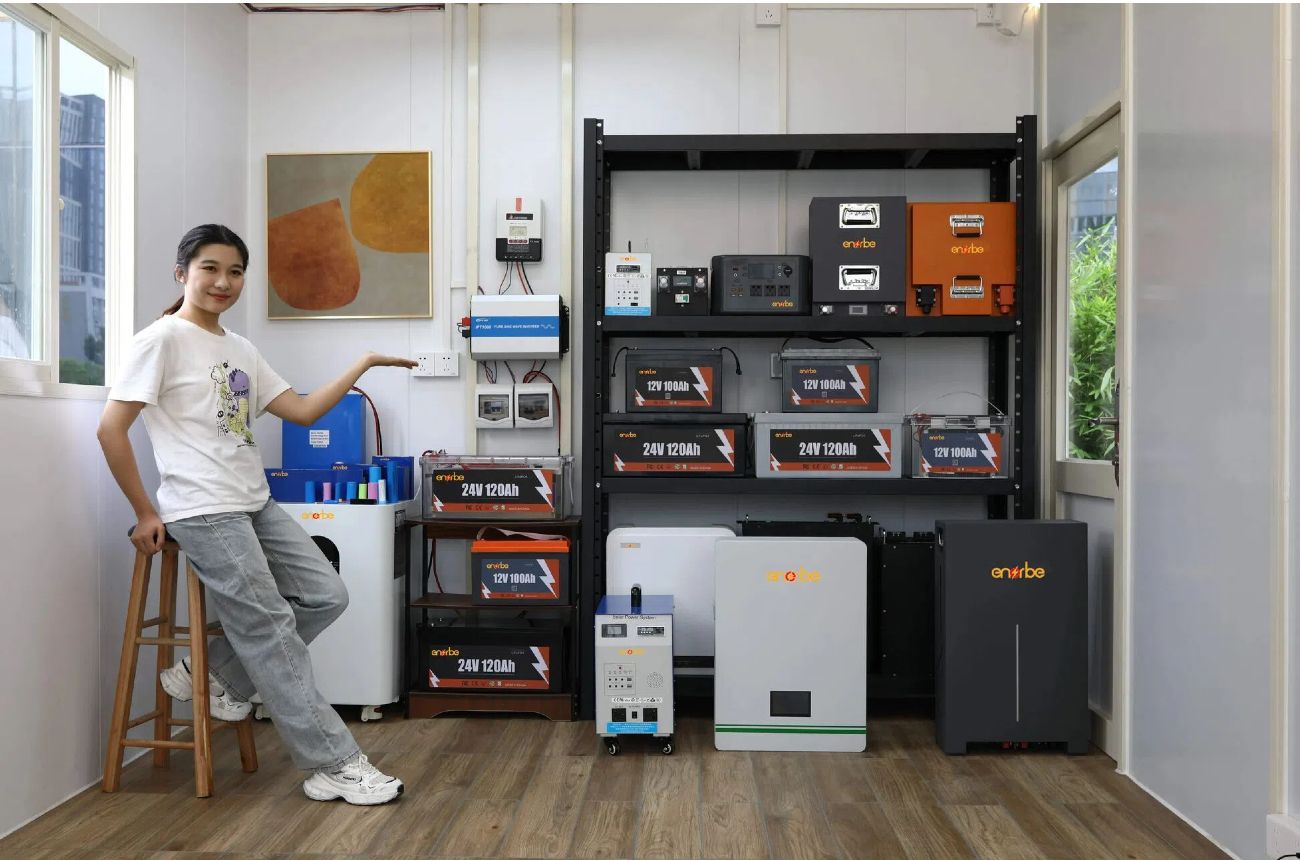
Enerbe is the energy-storage brand of Dongguan A&S Power Technology Co., Limited., a pack/OEM manufacturer building LiFePO4 batteries from named Grade-A prismatic cells, with per-cell-monitoring BMS, CAN/RS485/Bluetooth communication, model-specific certifications, OEM/ODM and private-label production, and batch test reports. For factory datasheets, cell traceability, a live factory tour or a quotation against your specification, contact our engineering team or browse the LiFePO4 product range.
Get In Touch
Looking for a factory-direct LiFePO4 OEM, private-label or project-supply partner? Contact Enerbe for datasheets, cell traceability and a quote.
🗎 Request Factory Datasheet & Cell Traceability
Contact Us →📞 Arrange a Live Factory Tour
Get In Touch →🔗 Browse Certified LiFePO4 Batteries
View Products →Dongguan A&S Power Technology Co., Limited.
Building 1, No. 2, Keji 9th Road,
Songshan Lake, Dongguan, Guangdong, China
📞 +86 137 1383 1631
✉ info@aspowerbattery.com
Stay Charged. Stay Connected.



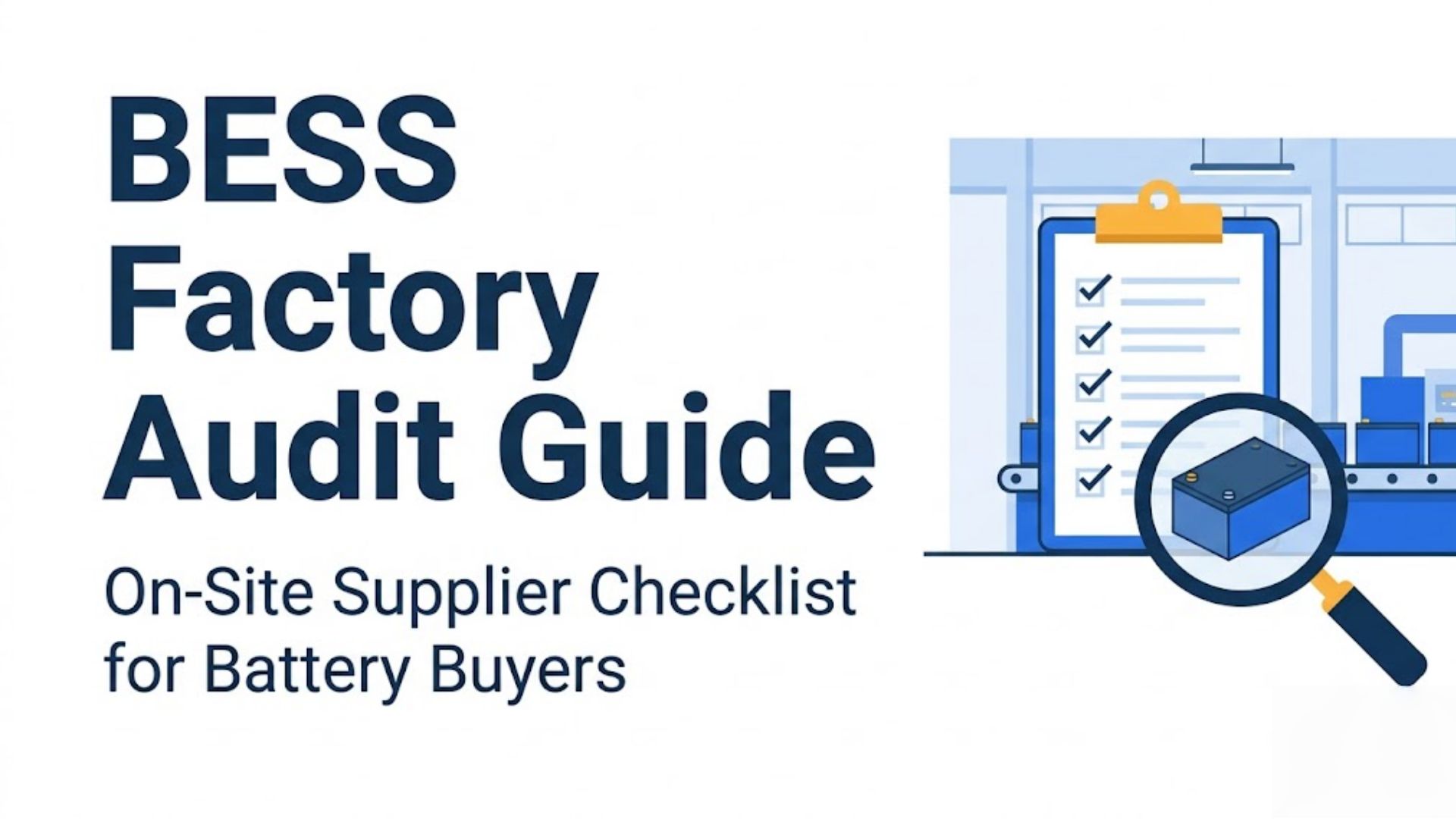
Reliable Bulk Battery Suppliers for Small Commercial Buyers: MOQ, Samples & Terms (2026)
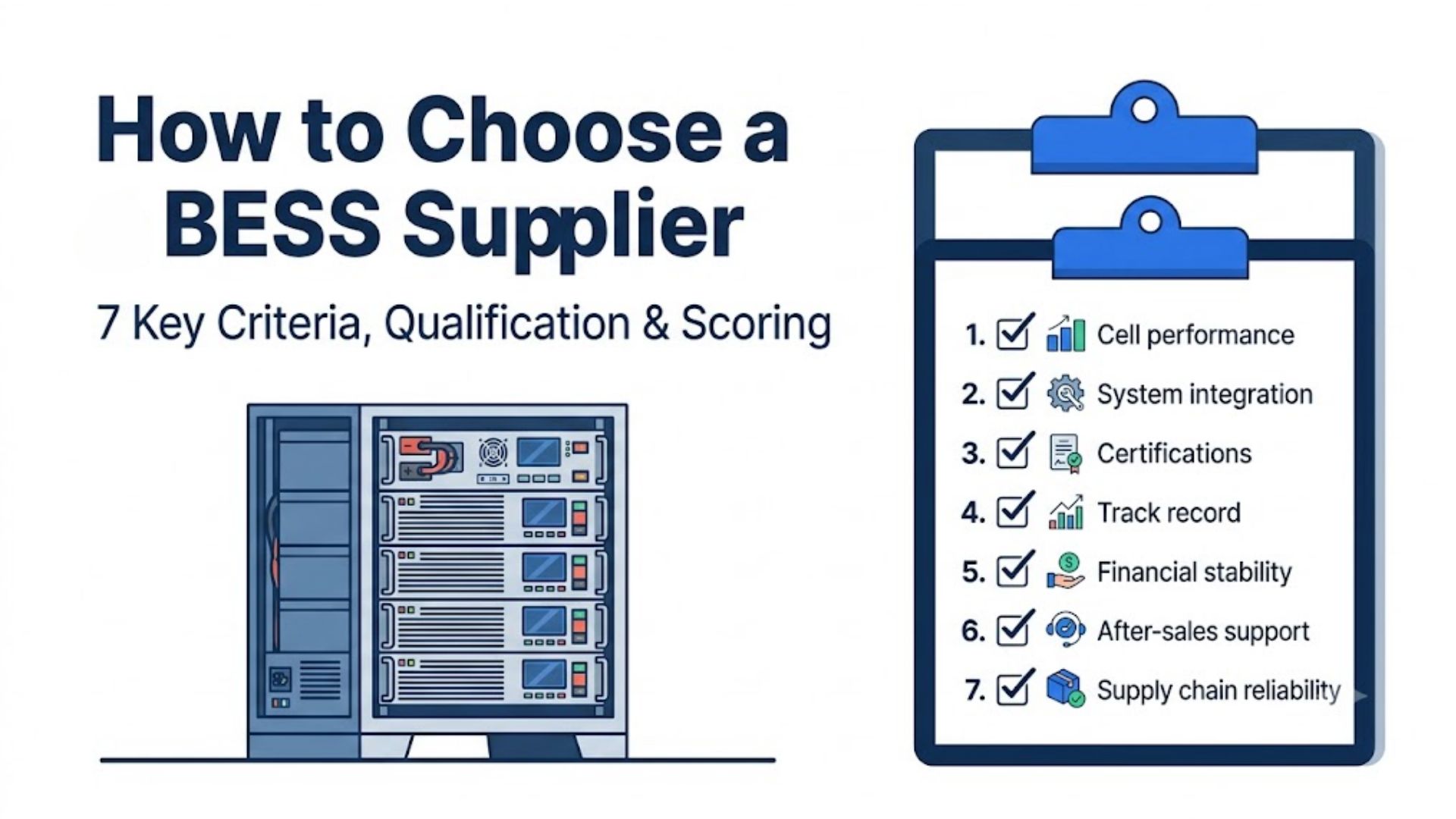
LiFePO4 Cycle Life Explained: DoD, SOH & Cycle Count (2026)
Related Article


Get In Touch
Have questions about custom lithium batteries, energy storage solutions, or lead-to-lithium conversion? Our team is ready to help. Send us a message and we’ll respond within 24 hours.

Building 1, No. 2, Keji 9th Road, Songshan Lake, Dongguan, Guangdong, China
Office Address

info@aspowerbattery.com
Email Us

+86 137 1383 1631
Call Us

Sun - Fri (08AM - 10PM)
Office Open
